
Traffic Case Records in Cuyahoga County
There is no one traffic docket for all of Cuyahoga County. Under R.C. 1901.18, Ohio municipal courts hold traffic jurisdiction. So a citation belongs to the municipal court printed on its face. One exception sits in Strongsville. There, the first stop for a traffic case is the Strongsville Mayor’s Court. The Cuyahoga County Common Pleas Criminal Search covers the felony and Common Pleas layer, not an ordinary municipal citation.
What will you find in the file? The citation, settings, plea, orders, costs, and disposition. A Cuyahoga County traffic docket never migrates to the County Clerk just because a county officer wrote the ticket. Before choosing any search portal, read the court named on the citation. Note its number, the appearance instruction, and the deadline. Ohio municipal-court territorial jurisdiction law sets out this territorial rule for Cuyahoga County traffic cases.
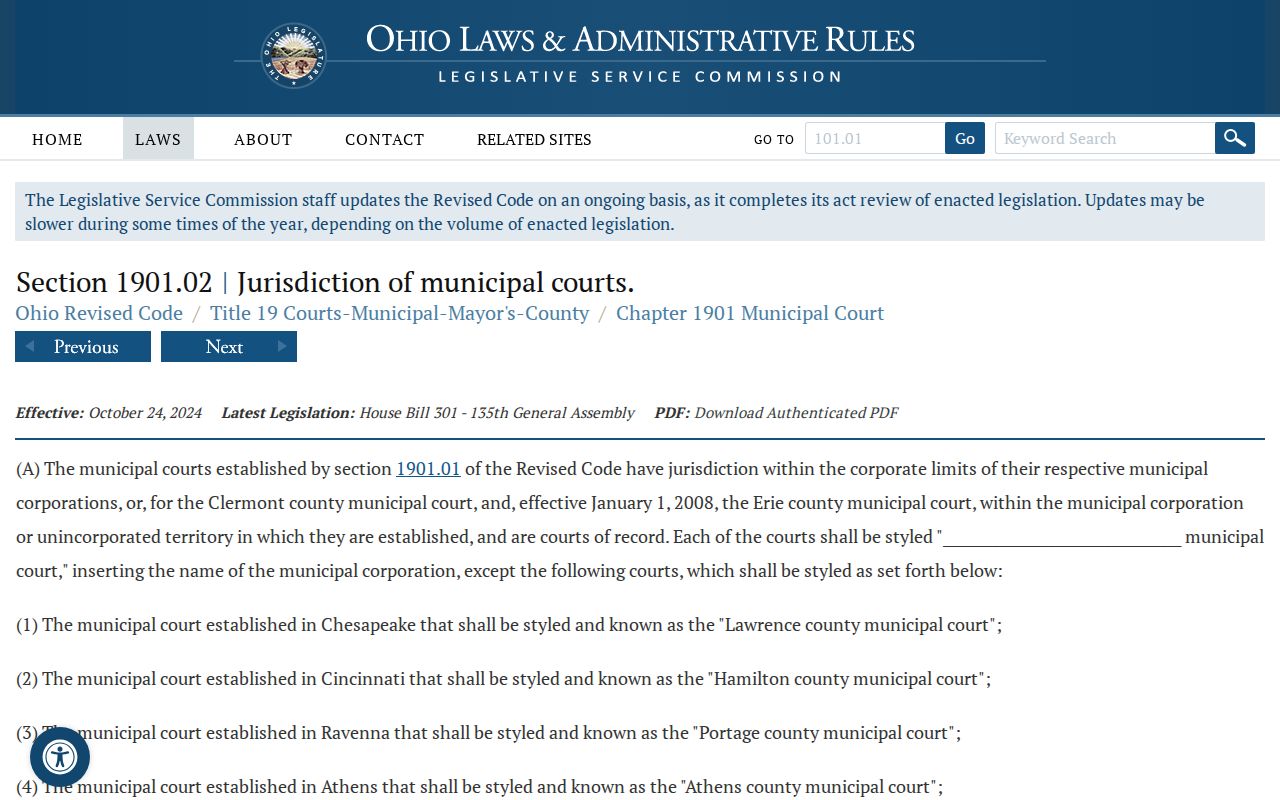
Territory, not the city label, tells you which court holds a Cuyahoga County traffic case. That is why the issuing court named on the citation comes first in any lookup.
Cuyahoga County Traffic Court Routes
Cuyahoga County routes traffic cases by territory. Cleveland Municipal Court comes first for Cleveland and Bratenahl. Parma Municipal Court covers Parma and nearby communities. Lakewood and Euclid Municipal Courts each keep their own traffic dockets. Strongsville Mayor’s Court takes the initial local traffic filings. The city says a contested charge moves to Berea Municipal Court. In short, the court named on the citation controls the first lookup.
The same structure explains why a Common Pleas record can trail a felony case but never a routine Cuyahoga County citation. Municipal courts hear traffic and non-traffic misdemeanors plus preliminary felony matters. The Clerk’s CR portal cannot stand in for the lower-court source. If a case later reaches appeal, the Court of Appeals of Ohio, Eighth Appellate District keeps a separate docket and calendar. R.C. 1901.18 also governs the traffic-jurisdiction rules shown in the official Cuyahoga County reference.
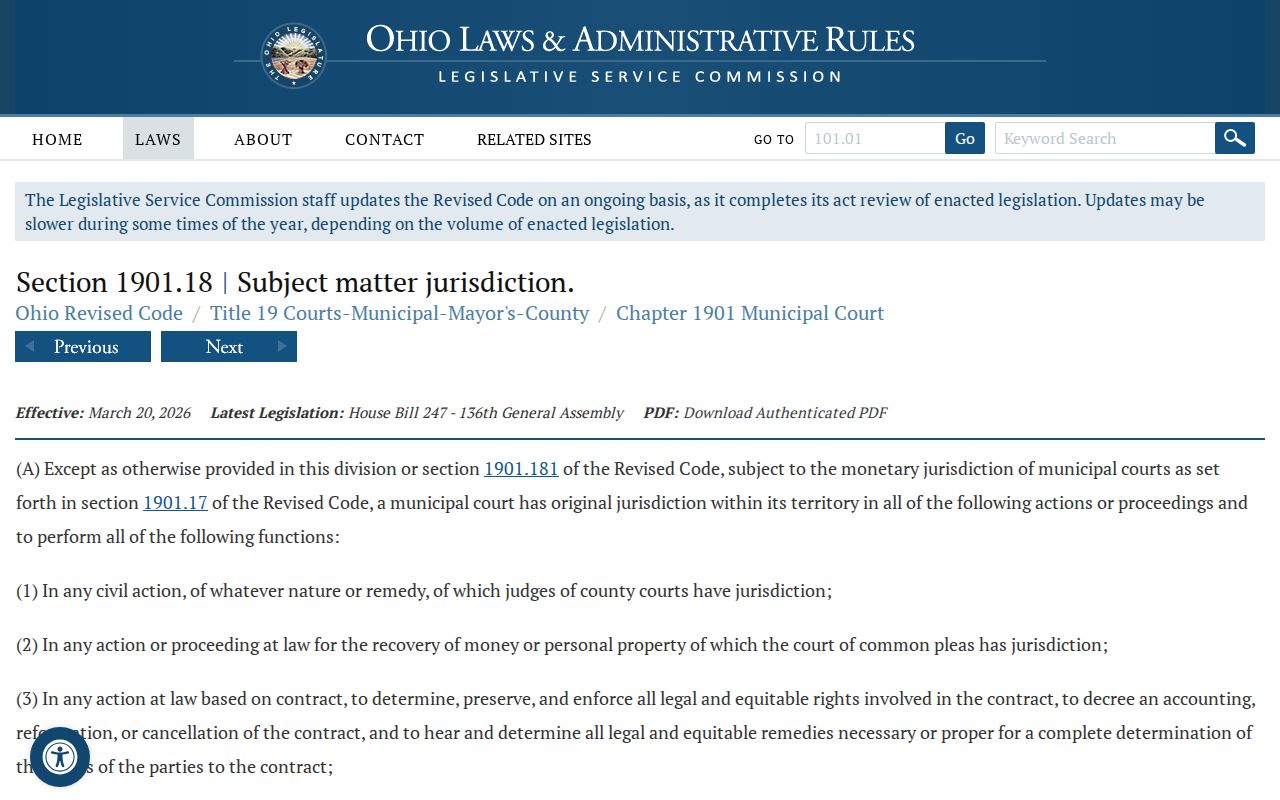
The jurisdiction statute backs the same practical route: try the municipal or Mayor’s Court first. Then confirm the file with that court’s clerk.
Cuyahoga County Traffic Ticket Lookups
Use the official portal of the court named on the citation. The citation number is your best starting key. Where a local search form offers name fields, narrow the results with a name. Add any court, community, or date limits too. Suppose the citation has not posted, or the portal cannot find it. Then call or visit the clerk of the issuing court. Ask for the exact case or citation number. Ask about the next setting and whether you must appear.
- Read the Cuyahoga County citation for the named court, case or ticket number, appearance instruction, and deadline.
- Open that court’s official traffic or case-search portal and use the ticket or case number where available.
- When the Cuyahoga County portal supports it, refine a name search with community, court date, case type, or other documented controls.
- Call the court or visit its clerk counter if the record is missing, a date is near, or the citation does not identify an online route.
- Write down the Cuyahoga County case number, date, time, location, and any court-specific response instruction supplied by the clerk.
Note: Online citation results can lag, so a Cuyahoga County court phone confirmation is the safer route when a date is close.
Cuyahoga County Traffic Citation Portal
Every Cuyahoga County traffic portal asks for something a bit different. Cleveland Municipal Court Smart Search takes a record number or a name in Last, First Middle Suffix format. It also splits hearing search from payment. Parma’s traffic and criminal search accepts a Court Case Number like 05TRD12345 and a name. Community and Hearing Date From or To fields are options as well. Lakewood CaseLook requires a public-record acknowledgement before a party-name search.
| Cuyahoga County court | Official search route | Documented search fields |
|---|---|---|
| Cleveland Municipal Court | Smart Search | Record number or Last, First, Middle, Suffix; hearing filters include dates, courtroom, and judicial officer. |
| Parma Municipal Court | Traffic and criminal search | Case number, name, community, hearing date, attorney ID, and sort controls. |
| Lakewood Municipal Court | CaseLook | Party-name search after acknowledgement; calendar results list number, charge, hearing type, and date/time. |
| Euclid Municipal Court | Traffic and criminal docket | Name, hearing-date range, attorney ID, community, and sorting by date, name, or case number. |
| Strongsville Mayor’s Court | Docket Search | First and last name, case number, case type, ticket number, offense date, and court date. |
Strongsville’s official search limits online records to filings on or after August 30, 2019. For anything older, the cited court itself is the fallback, since no countywide system exists.
Traffic Court Dates in Cuyahoga County
The appearance line on the citation is your first court-date source. A Cuyahoga County docket adds detail from there. It lists case number, next setting, date, time, courtroom or room, hearing type, and the judicial officer. Dates can shift after a portal entry posts. When a Cuyahoga County date is imminent, check the docket first. Then confirm with the issuing court’s clerk or scheduling channel.
| Citation or case number | The issuing Cuyahoga County court’s identifier, such as Parma’s 05TRD12345 example or a city ticket number. |
|---|---|
| Court | The municipal court or Strongsville Mayor’s Court named on the Cuyahoga County citation. |
| Date and time | The appearance, hearing, arraignment, or next setting shown on the citation or local docket. |
| Room or courtroom | A location field where the Cuyahoga County court’s result includes one. |
| Hearing type or status | Local labels that identify the setting or current case condition; confirm their meaning with the court when needed. |
A continuance should show up as a motion or order in the record. A changed or missing date never means the case ended.
Cuyahoga County Traffic Court Fallback
When an online citation search fails, resist a tempting shortcut. Do not run the Common Pleas CR search instead. Call the clerk of the issuing court. The direct numbers follow. Cleveland Municipal Court is 216-664-4790. Parma Municipal Court is 440-887-7400, Lakewood traffic and criminal is 216-529-6720, Euclid Municipal Court is 216-289-2888, and Strongsville Mayor’s Court is 440-580-3155. Any of those channels can confirm which court holds the case and the next setting.
Caveats apply to the portals themselves. Lakewood warns that CaseLook data may be delayed at least 24 hours. It is not official. Cleveland likewise cautions that its information can be delayed or incomplete. It points users to the clerk. For every Cuyahoga County court, the issuing clerk is the right fallback. Rely on that clerk for a new citation, a near date, a missing result, or a needed copy.
Paying a Ticket vs Fighting It
Paying the fine and running a Cuyahoga County docket lookup are two different errands. Neither one settles the other. The ticket itself carries the deadline and the instructions, so start there. Some cases can be closed without ever appearing. Others cannot, and paying rarely means the same thing in every court. Ask the clerk who issued the citation. Ask whether a written plea, a hearing request, a continuance, or a payment plan fits that particular case.
| Paying the Ticket | Contesting the Ticket |
|---|---|
| Follow the Cuyahoga County citation and court instructions for a payment option, if one is available. | Use the issuing court’s stated procedure to request a hearing or make the permitted response. |
| The court and citation set the due date; no countywide deadline was located. | The court and citation set the response date; no uniform Cuyahoga County procedure applies. |
| Use the named court’s official portal, mail route, or clerk counter only as its instructions allow. | Contact the named court or clerk for the available Cuyahoga County filing or appearance route. |
Missed Cuyahoga County court date: Covered failures to appear can lead to a court-ordered license-forfeiture suspension under R.C. 4510.22, and a warrant can block BMV transactions until cleared. Contact the issuing court promptly for the current case status and court-specific instructions.
Cuyahoga County Traffic Citation Custodians
Cuyahoga County runs 13 limited-jurisdiction courts. That means no single countywide citation database exists. The County Clerk Case Records Search System splits its options into three. They are Civil, Criminal, and Court of Appeals. None of those tabs covers municipal traffic. The court that issued or received the citation keeps the original case record. Its own search page, counter, or phone line is the local source to use. A Common Pleas case can carry a criminal docket. That happens when a matter climbs to that level. Routine Cuyahoga County citations will not sit in that CR route. R.C. 2303.12 governs Common Pleas clerk records and general dockets. That statute is what the image draws from.
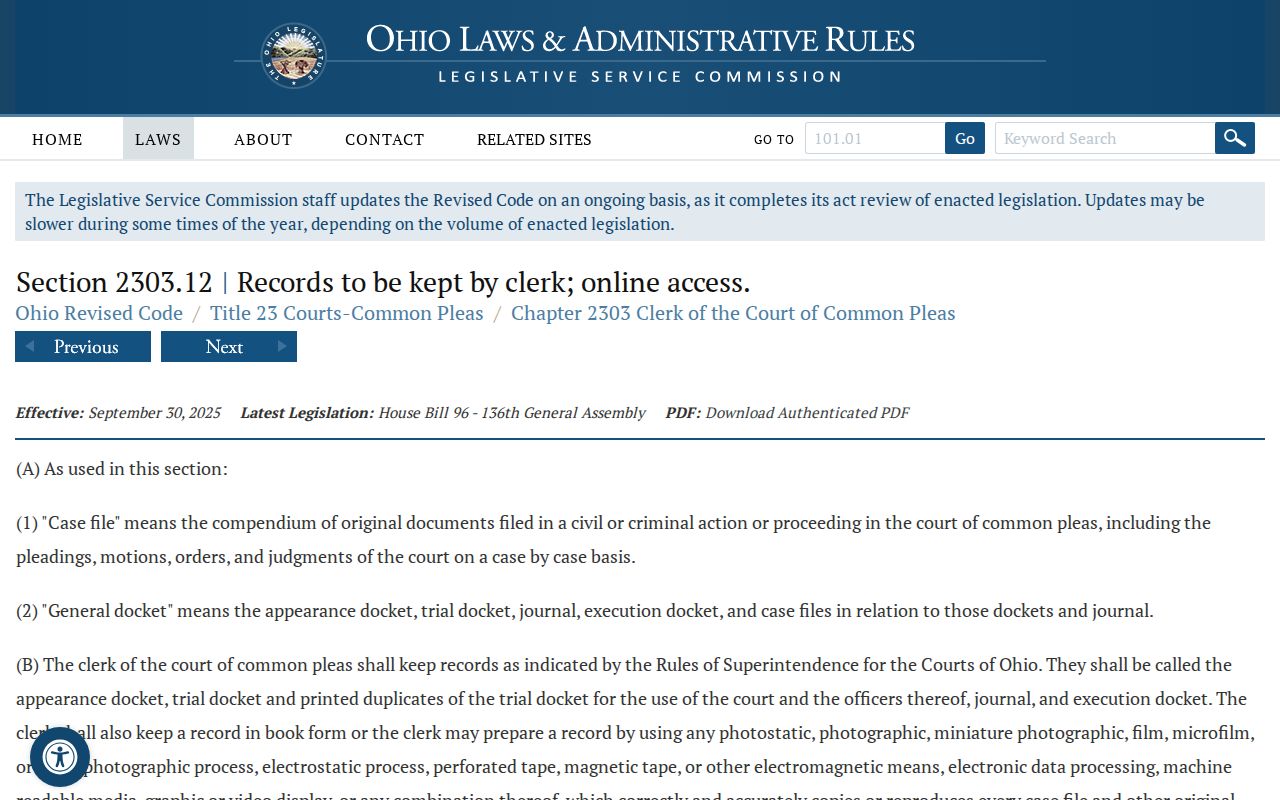
Read the statute as a dividing line. It marks off the Clerk’s general-docket duties from the municipal court’s first custody of a Cuyahoga County traffic file.
Two Records: Court File and Driver File
Two files exist for one traffic stop. The municipal court or Mayor’s Court clerk holds the court docket: the citation itself, settings, the plea, orders, costs, and the outcome. The Ohio BMV keeps a separate driver record at the state level. Under R.C. 4510.03, clerks must abstract qualifying convictions or bail forfeitures. They go to the BMV within seven days. Even then, the two stay distinct. The BMV record cannot substitute for the court docket in a Cuyahoga County case. The docket cannot substitute for the BMV record either.
| Cuyahoga County court file | Ohio BMV driver record | |
|---|---|---|
| Custodian | The issuing municipal court or Strongsville Mayor’s Court and its clerk. | Ohio Bureau of Motor Vehicles. |
| Core content | Citation, settings, plea, orders, costs, and case disposition. | State information received through the BMV’s separate process. |
| Access route | The named Cuyahoga County court’s portal, clerk, counter, or copy process. | The BMV’s own state request channel, not a Cuyahoga County court search. |
That split matters in practice. A Cuyahoga County case search should never stand in for another custodian’s records.
Cuyahoga County Traffic Records Access
Public access has limits here. A Cuyahoga County traffic file may be public. Yet not every item in that file will appear in an online search. Courts shield defined personal identifiers inside case documents. A court can also restrict material under its own rules, a statute, or a standing order. Search results still earn their keep for the basics: court, case number, and date. Need the full file or a certified copy? Ask the issuing court’s clerk how it handles record requests. The Common Pleas fee table may not govern. R.C. 2303.901 on case documents and personal identifiers backs the Cuyahoga County access image that follows.
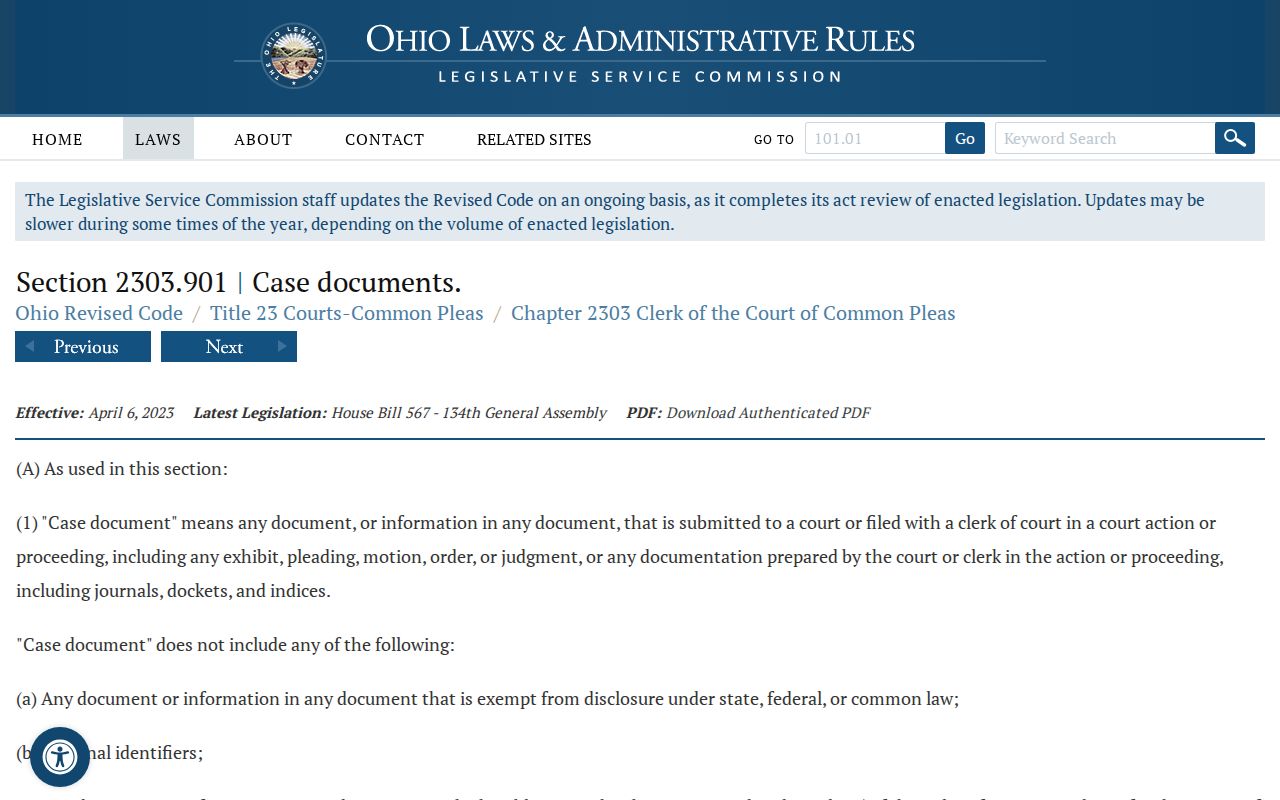
The idea is simple. Find the Cuyahoga County case first, then ask the holding clerk for the specific court item that remains accessible.
Cuyahoga County Restricted Traffic Files
A sealed or expunged case does not reopen just because you keep searching. Running the same online Cuyahoga County citation lookup again and again settles nothing. It proves nothing about a restricted file. Ohio law sets out an application process for certain sealing and expungement matters. Exceptions are listed. The statutory filing fee is $50. A local fee can add up to $50 more. Eligibility and local procedure depend on the court that entered the case. And here is the trap. A missing result proves nothing about eligibility, sealing, or whether the case exists at all. Ohio’s sealing and expungement statute stands behind the related Cuyahoga County traffic-record image.
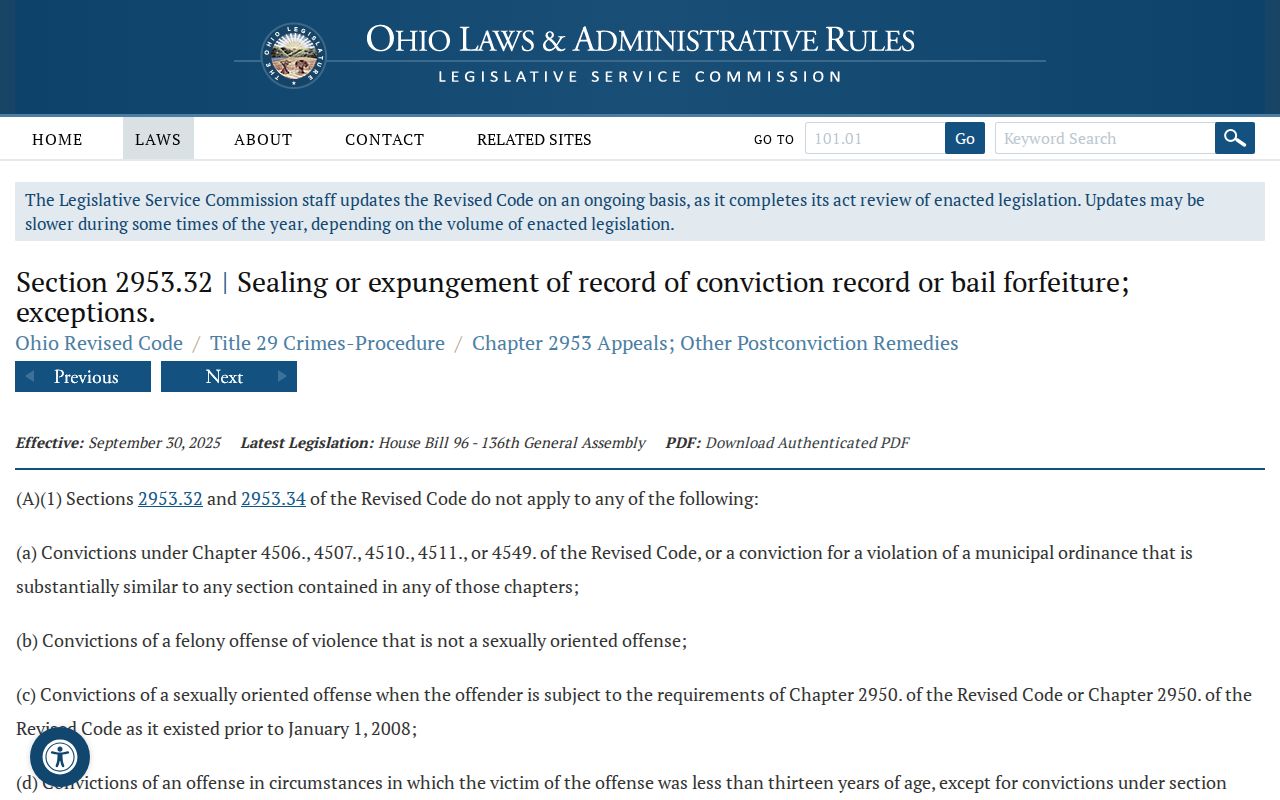
Status questions deserve a real answer. For a restricted Cuyahoga County case, contact the court or custodian directly instead of trusting a public portal result.
Traffic Record Copy Fees
No countywide traffic copy-fee schedule exists for Cuyahoga County. Each traffic record belongs to the municipal court or Mayor’s Court that issued it. That court’s current schedule sets the price for plain copies and certified copies. It also covers any search or mailing charge. Skip the Common Pleas Clerk’s copy prices. They apply only when the case actually sits in that Clerk’s custody.
| Item | Fee | Notes |
|---|---|---|
| Plain traffic case copy | Confirm with issuing court | No uniform Cuyahoga County traffic fee was found in the reviewed sources. |
| Certified traffic case copy | Confirm with issuing court | Request from the municipal court or Mayor’s Court clerk holding the file. |
| Search, mailing, or other court service | Confirm with issuing court | Payment and delivery methods vary by the individual Cuyahoga County court. |
Ohio Public Records Act, R.C. 149.43 is what the Cuyahoga County public-records image draws from.
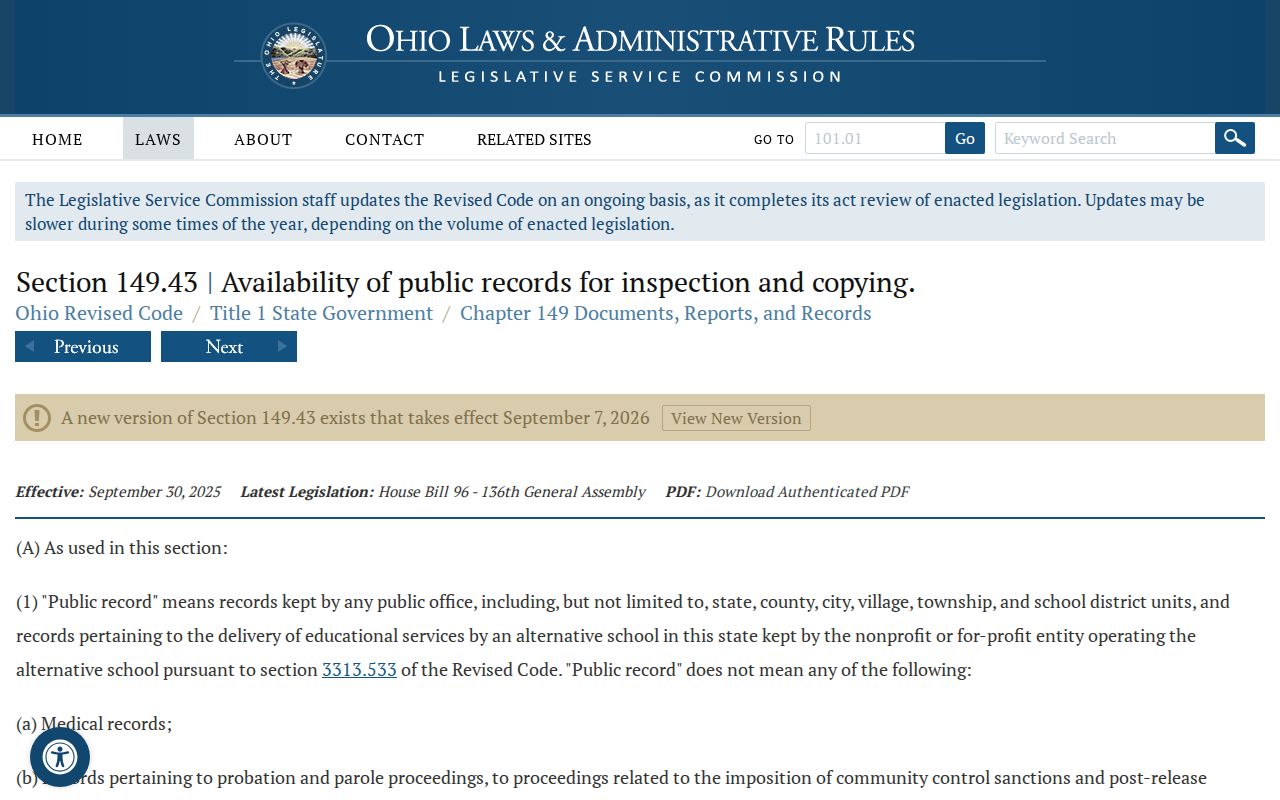
The statute builds a general framework for inspection and copies. Access to a court file still follows court-record rules plus the Cuyahoga County custodian’s own process.